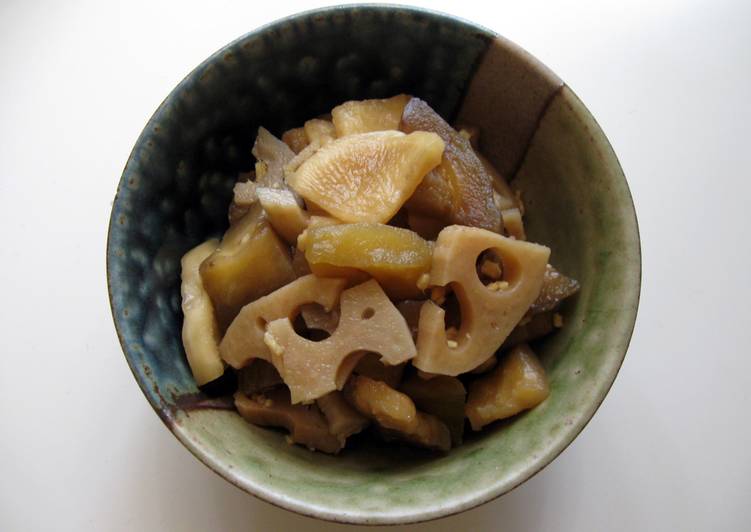
Hello everybody, it’s Jim, welcome to my recipe page. Today, I’m gonna show you how to make a special dish, ‘fukujinduke’ pickles. It is one of my favorites. For mine, I am going to make it a little bit unique. This is gonna smell and look delicious.
‘Fukujinduke’ Pickles is one of the most favored of current trending foods on earth. It’s easy, it’s quick, it tastes delicious. It’s appreciated by millions daily. They’re fine and they look wonderful. ‘Fukujinduke’ Pickles is something which I have loved my whole life.
The Biggest Choice Of Professional Salon Supplies Online. We don't know when or if this item will be back in stock. Great recipe for 'Fukujinduke' Pickles. 'Fukujinzuke' is a very popular condiment in Japan. Curries are often served with these crunchy pickles.
To begin with this particular recipe, we have to first prepare a few components. You can have ‘fukujinduke’ pickles using 10 ingredients and 7 steps. Here is how you cook it.
The ingredients needed to make ‘Fukujinduke’ Pickles:
- Get 1 cup Daikon slices
- Get 1 cup Eggplant slices
- Get 1 cups Lotus Root (Renkon) slices *read ‘Method 4’ for how to prepare
- Make ready 1 teaspoons Salt
- Prepare 1 small piece Ginger *finely chopped
- Get 2-3 cm Kombu
- Take <Marinade>
- Make ready 2 tablespoons Soy Sauce
- Make ready 2 tablespoons Sugar
- Prepare 1/2 tablespoon Rice Vinegar
Fukujinzuke (pickle of seven kinds of vegetables) (福神漬) Fukujinzuke (or fukusinnzuke depending on regions) (literally, pickles of the gods of good fortune). It is a kind of non-fermented pickles, and consists of seven vegetables such as daikon radish, eggplant, sword bean, lotus root, cucumber, perilla seeds, shiitake mushroom, or white sesame, which are finely chopped and pickled in the. Yutaka Fukujinzuke is a Pickle Specialty made of mixed Vegetables (radish and others) according to the popular Japanese recipe. It's a popular side dish to have with Katsu Curry or Ramen.
Instructions to make ‘Fukujinduke’ Pickles:
- Keep skin of Daikon for crunchy texture, but Eggplant skin needs to be removed, otherwise you will have yucky coloured pickles!!! Cut lengthways into 2-3cm in diameter sticks, then cut them into 4-5mm thin slices.
- Place Daikon and Eggplant slices in a bowl, add Salt, mix well, then set aside for 1 hour OR overnight in the fridge if possible. Plenty of water should come out. Drain well and squeeze to remove excess salty water.
- Combine all the marinade ingredients in a small bowl. Heat in the microwave so that Sugar will dissolve well.
- Lotus Root needs to be blanched. Remove skin, clean, cut lengthways into 2-3cm in diameter sticks, then cut them into 4-5mm thin slices. Blanch in the boiling salted water with 1-2 teaspoons Rice Vinegar for 2-3 minutes, then drain well.
- Place all vegetables, finely chopped Ginger and Kombu in a right size jar or container. I have found a ziplock bag is the easiest option.
- Remove the air, so that the vegetable pieces can stay in this minimal amount of marinade. Marinate in fridge for 1-2 days before you enjoy. (*This time I doubled the amount.)
- *Mix with Macadamia Nuts: Crunchy ‘Fukujinzuke’ and crunchy Roasted Macadamia Nuts go well together.
Yutaka Fukujinzuke is a Pickle Specialty made of mixed Vegetables (radish and others) according to the popular Japanese recipe. It's a popular side dish to have with Katsu Curry or Ramen. English 简体 简体 Thinly sliced Japanese radish, lotus root, aubergine, cucumber, ginger and perilla leaves are pickled in soy sauce and sesame seeds for a lively sweet-and-sour flavour. You can also use the fukujinzuke as a filling for onigiri - Japanese rice balls that are a popular on-the-go snack. Fukujinzuke (福神漬) is a condiment in Japanese cuisine, commonly used as relish for Japanese curry.
So that is going to wrap this up for this exceptional food ‘fukujinduke’ pickles recipe. Thanks so much for your time. I’m sure you can make this at home. There’s gonna be interesting food in home recipes coming up. Remember to bookmark this page on your browser, and share it to your loved ones, colleague and friends. Thank you for reading. Go on get cooking!